Who was John H. Secondari?
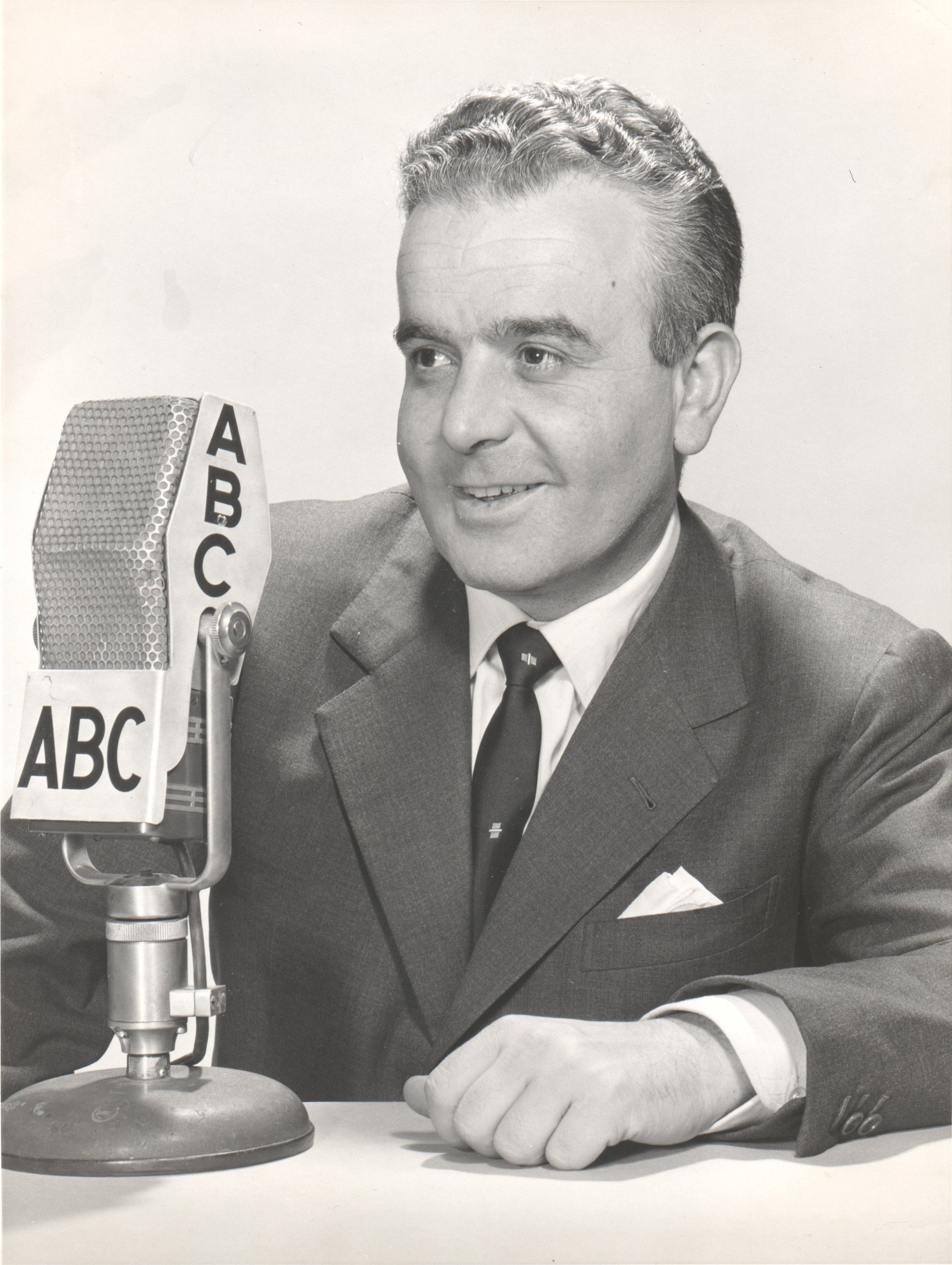
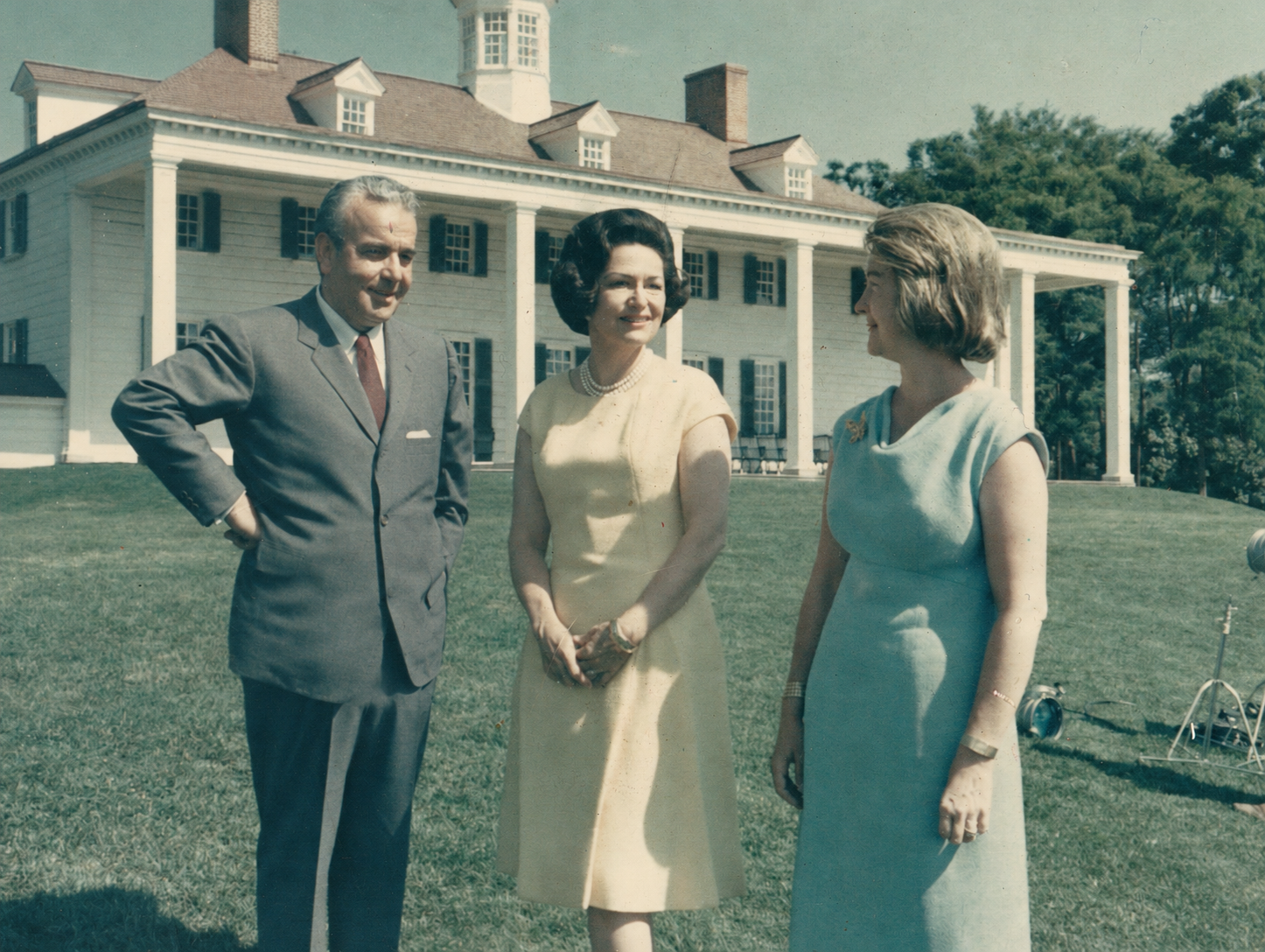
John H. Secondari (1919–1975) was an American writer, journalist, war veteran, and television producer—best known for his bestselling 1952 novel Coins in the Fountain, which inspired the Oscar-winning film Three Coins in the Fountain.
Born in Rome, Italy, Secondari immigrated to the United States with his family at the age of five. He earned his B.A. from Fordham University in 1939 and a master’s in journalism from Columbia University in 1940. During World War II, he enlisted in the U.S. Army, where he commanded both a reconnaissance unit and a tank company in combat across France, Germany, and Austria. After the war, he served on the staff of General Mark W. Clark in Vienna and was discharged in 1946 with the rank of captain.
After the war, Secondari returned to Italy as a journalist and public information specialist. He worked as a reporter for the Rome Daily American, served as a foreign correspondent for CBS, and was Deputy Chief of the Information Division for the U.S. Economic Cooperation Administration’s Special Mission to Italy, part of the Marshall Plan, where he oversaw public communications and media strategy during Italy’s postwar reconstruction. His intimate knowledge of Rome and its postwar transformation provided the foundation for Coins in the Fountain, a novel that captured the city’s romance, uncertainty, and promise.
In addition to his literary work, Secondari was a groundbreaking figure in American television. He served as the founding Washington Bureau Chief and White House Correspondent for ABC Television, and later as Executive Producer of the network’s Special Projects division. His acclaimed documentary series Saga of Western Man won both Peabody and Emmy Awards, cementing his reputation as one of the most influential television storytellers of his era.
Over the course of his career, he received more than twenty Emmy Nominations, three Peabody Awards, and Italy’s Guglielmo Marconi World Television Award. He passed away in 1975, leaving behind a powerful body of work that spanned media and continents.
An excellent and enormously readable book. . .he writes beautifully and persuasively with page after page of sparkling dialogue.
— The Philadelphia Inquirer Public Ledger, November 23, 1952