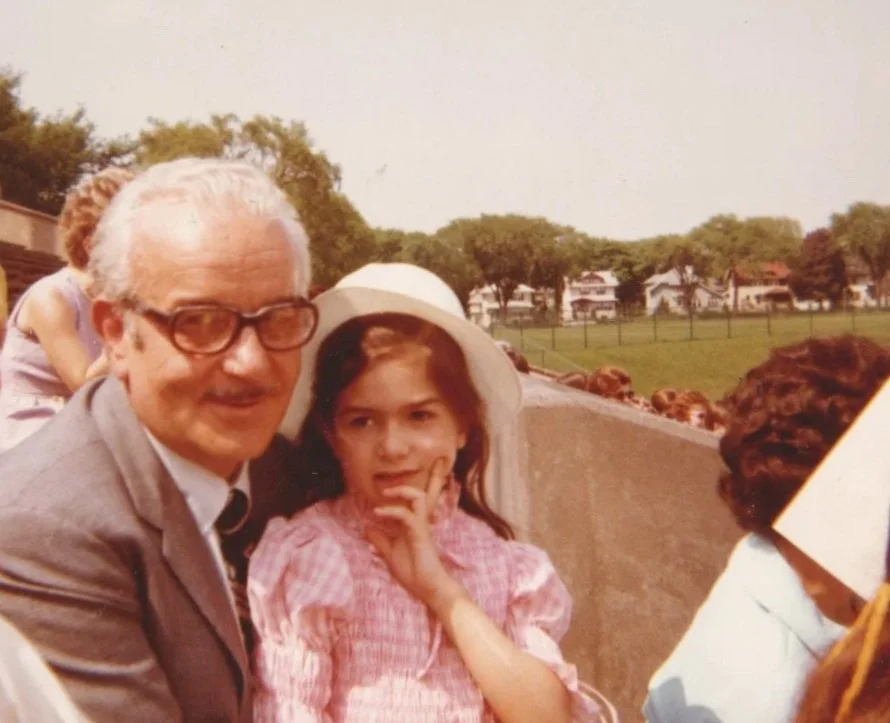
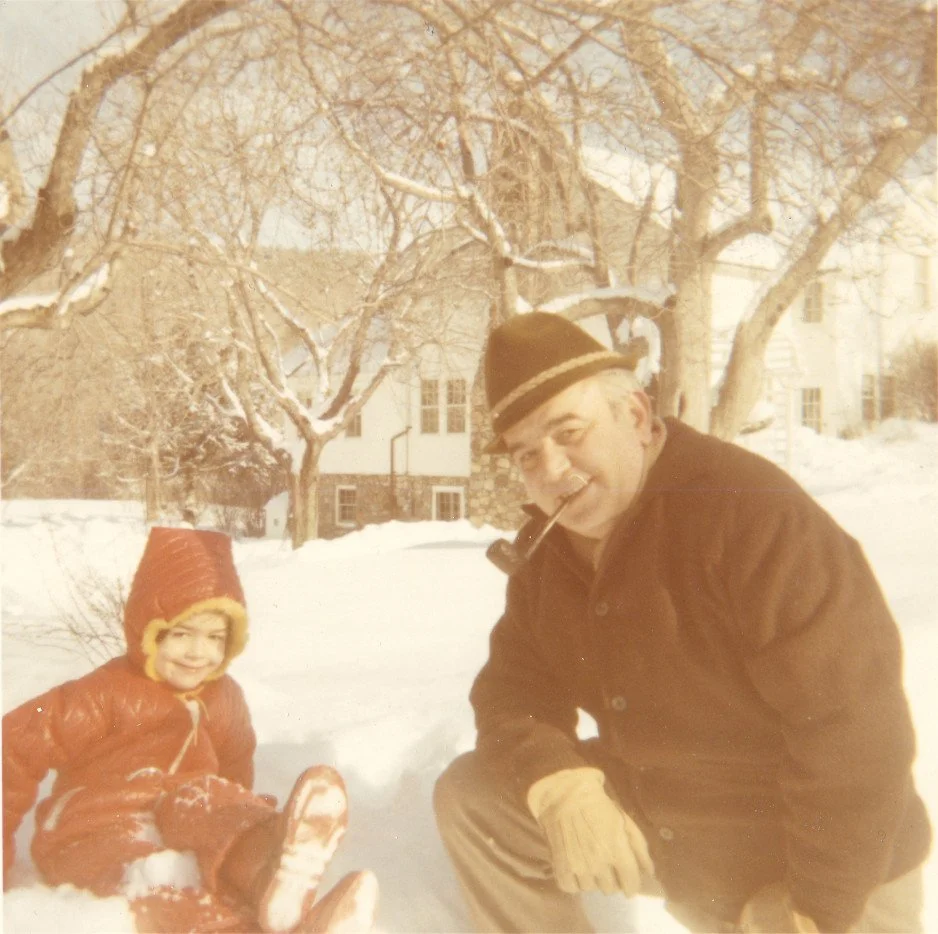
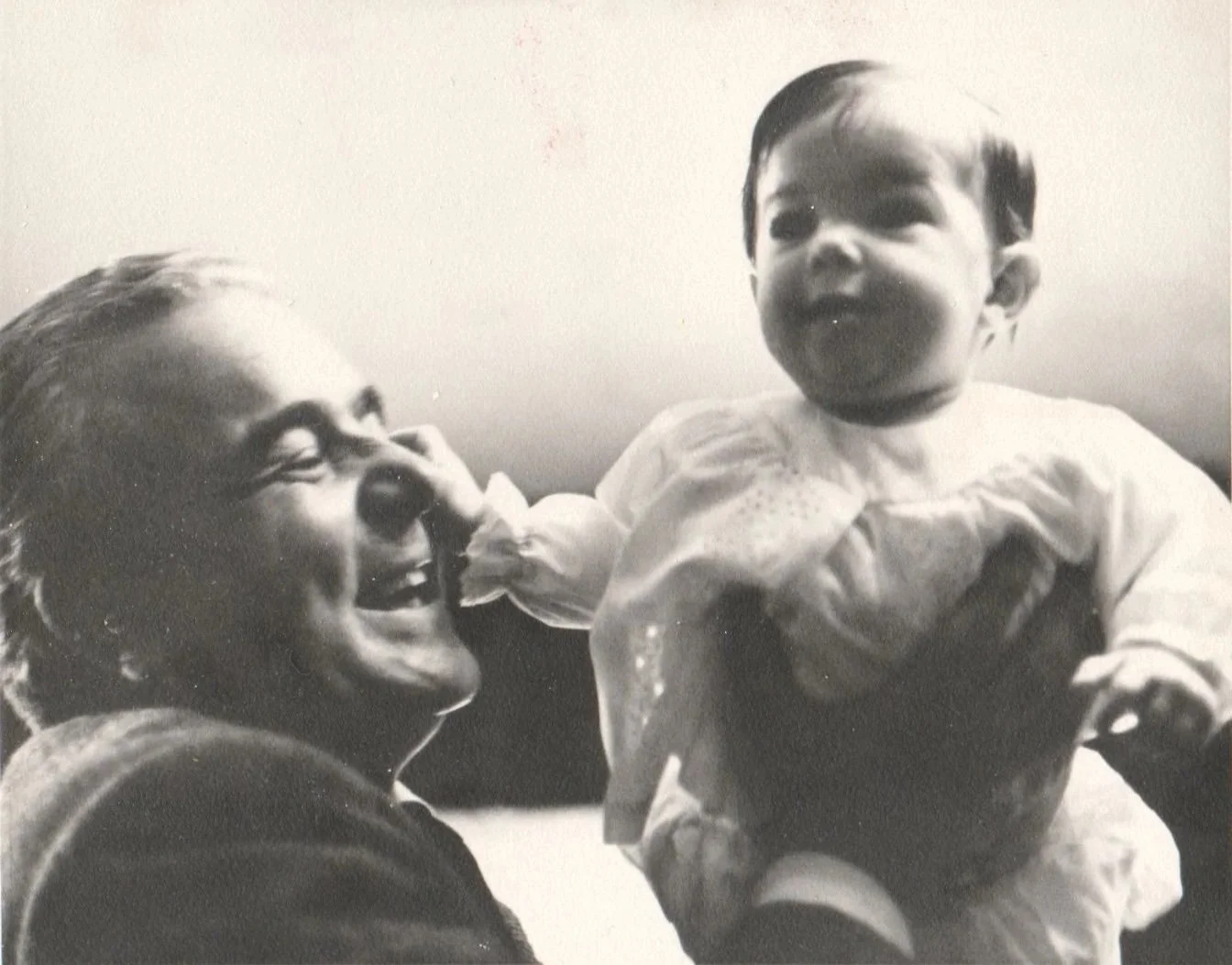
When I was nine years old, my father, John H. Secondari, died. I don’t have many memories of him, but the few I do are vivid: the clack of his typewriter echoing through the house, the time he taught me to stir risotto standing on a stool beside him, and fly-fishing at dusk as frogs chirped in the background.
For most of my life, Coins in the Fountain was a story I knew more by its impact than its pages. I knew it had inspired the 1954 Oscar-winning film Three Coins in the Fountain, and somehow—magically—it was connected to the tradition of tossing a coin into Rome’s Trevi Fountain while making a wish.
Now, after more than 25 years working in the publishing industry, bringing thousands of books to life in the marketplace, I’ve undertaken the reissue of my father’s novel not just to preserve his legacy, but to reconnect with him. To read his work closely is to enter into a conversation with the man I barely had the chance to know—a conversation I’ve been waiting my whole life to have.
Coins in the Fountain is a product of its time, full of postwar glamour, American optimism, and romantic idealism. It’s also a story about women seeking new beginnings, love, and self-definition abroad—an aspect that fascinates me as both a daughter and a contemporary woman. Some elements feel timeless; others challenge modern perspectives. But that’s part of the beauty of rediscovery.
To honor the world of the novel, I’ve included something special in the new edition: a collection of vintage-inspired cocktail and cicchetti recipes, each evoking the charm and ritual of Roman afternoons, and some drawn directly from family tradition. In our home, food and storytelling were inseparable—and I wanted this edition to reflect that spirit.
This reissue is more than a literary revival; it’s a deeply personal act of remembrance, imagination, and love. I invite you to toss your own metaphorical coin, make a wish, and discover—or rediscover—the magic of Coins in the Fountain.
Cin Cin!
Linda Secondari
New York City, 2026
I’ve undertaken the reissue of my father’s novel not just to preserve his legacy, but to reconnect with him. To read his work closely is to enter into a conversation with the man I barely had the chance to know—a conversation I’ve been waiting my whole life to have.
— Linda Secondari